
Business Owners Policy (BOP) Insurance: Complete Guide for Texas Businesses
A Business Owners Policy (BOP) combines essential business insurance coverages into one comprehensive package designed specifically for small to medium-sized businesses. Unlike basic liability insurance that only protects against lawsuits, a BOP provides broader protection for your property, income, and operations.
For Texas businesses, particularly those in the Hill Country region, understanding BOP coverage is crucial given the state’s unique weather risks and business challenges.
What Is a Business Owners Policy?
A Business Owners Policy bundles three core types of coverage:
General Liability Insurance: Protects against customer injuries, property damage claims, and advertising liability.
Commercial Property Insurance: Covers your building, equipment, inventory, and business personal property.
Business Income Insurance: Replaces lost income when covered events force temporary closure.
This bundled approach typically costs less than purchasing these coverages separately while providing seamless protection across multiple risk areas.
Our experienced agents can help customize your policy with additional endorsements to meet your unique business needs.
Why Texas Businesses Need BOP Coverage
Texas businesses face unique challenges that make comprehensive BOP coverage essential. The state led the nation with 878 hail events in 2024, highlighting the severe weather risks that can devastate unprepared businesses.
Common scenarios where BOPs prove invaluable include:
- Storm Damage: Hail, wind, and flooding can damage property and inventory while forcing business closure.
- Power Outages: Extended utility failures can spoil inventory, halt operations, and require costly temporary relocations.
- Equipment Breakdown: Critical equipment failures can shut down operations and require expensive repairs or replacements.
- Cyber Incidents: Data breaches and cyber attacks can result in significant financial losses and legal liabilities.
According to FEMA, about 25% of businesses fail to reopen after disasters strike, making comprehensive coverage critical for survival.
BOP Coverage Components Explained
General Liability Coverage
General liability protection covers:
- Customer slip-and-fall accidents
- Property damage caused by your operations
- Advertising and personal injury claims
- Products and completed operations liability
- Medical expenses for injured third parties
Commercial Property Coverage
Property protection includes:
- Building coverage (if you own the property)
- Business personal property (equipment, inventory, furniture)
- Tenant improvements and betterments
- Loss of income from property damage
- Extra expenses for temporary operations
Business Income Coverage
Business income protection covers:
- Lost revenue during covered closures
- Continuing operating expenses
- Payroll costs during downtime
- Extra expenses to minimize income loss
- Extended business income for recovery periods
Common BOP Endorsements and Add-Ons
Standard BOPs can be enhanced with endorsements tailored to specific business needs:
- Equipment Breakdown: Covers mechanical and electrical equipment failures.
- Spoilage Coverage: Protects perishable goods lost due to power outages or equipment failures.
- Utility Service Interruption: Covers income loss from off-premises power failures.
- Cyber Liability: Protects against data breaches and cyber attacks.
- Employment Practices Liability: Covers workplace discrimination and harassment claims.
- Crime Coverage: Protects against employee theft and forgery.
- Commercial Auto: Can be added for business vehicle coverage.
Industry-Specific BOP Customization
Different business types require specific coverage adjustments:
Retail Businesses
- Seasonal inventory adjustments
- Glass coverage for storefronts
- Cyber liability for payment processing
- Employee dishonesty coverage
- Replacement cost valuation for inventory
Restaurants and Food Service
- Spoilage coverage for perishables
- Equipment breakdown for kitchen equipment
- Food contamination coverage
- Liquor liability (if applicable)
- Higher general liability limits
Professional Services
- Professional liability coverage
- Cyber liability for client data
- Business income for key person loss
- Errors and omissions protection
- Technology equipment coverage
Contractors and Trades
- Tools and equipment coverage
- Completed operations liability
- Commercial auto integration
- Surety bond requirements
- Pollution liability (if applicable)
CBOP Cost Factors and Pricing
Among small business customers, 42% pay less than $50 per month for BOPs, making them an affordable option for comprehensive protection.
BOP pricing depends on several factors:
- Business Type and Industry: Higher-risk industries pay more for coverage.
- Location: Areas prone to natural disasters or crime have higher rates.
- Business Size: Revenue, square footage, and employee count affect pricing.
- Coverage Limits: Higher limits increase premium costs.
- Deductibles: Higher deductibles reduce premium costs.
- Claims History: Previous claims can increase future premiums.Safety Measures: Security systems and safety programs can reduce costs.
Critical Coverage Gaps to Avoid
Many business owners unknowingly have coverage gaps that can prove costly:
Utility Service Interruption
Standard business income coverage may not include off-premises power failures. If a storm damages power lines blocks away from your business, forcing closure, you may not be covered without specific utility service interruption endorsement.
Cyber Liability
Even small businesses handling customer payment information face significant cyber risks that standard policies don’t cover.
Flood Coverage
BOPs typically exclude flood damage, requiring separate flood insurance through the National Flood Insurance Program or private carriers.
Professional Liability
Service-based businesses may need separate professional liability coverage for errors and omissions claims.
Employment Practices
Workplace harassment and discrimination claims require specific employment practices liability coverage.
When Your Business Needs a BOP
Consider upgrading to a comprehensive BOP when you experience these triggers:
Hiring Employees:
Liability exposure increases significantly with staff.
Leasing Commercial Space:
Property protection needs and lease requirements necessitate comprehensive coverage.
Investing in Equipment:
Valuable business property requires proper protection and replacement cost coverage.
Growing Revenue:
Stable income streams need business interruption protection.
Handling Customer Data:
Digital payment processing and data storage create cyber liability exposure.
Experiencing Close Calls:
Near-miss incidents highlight vulnerabilities that comprehensive coverage addresses.
Outgrowing Basic Coverage:
Business growth requires insurance that scales with operations.
Next Steps for Texas Business Owners
Protecting your Texas business with the right BOP requires careful evaluation of your specific risks and needs. Start by:
Assessing Your Current Coverage:
Review existing policies for gaps and limitations.
Identifying Business Risks:
Consider location-specific threats, operational vulnerabilities, and growth plans. lease requirements necessitate comprehensive coverage.
Comparing Options:
Evaluate different providers and coverage options.
Consulting Experts:
Work with experienced agents familiar with Texas business risks.
Regular Reviews:
Update coverage as your business evolves and grows.
ty exposure.
A well-structured BOP provides the foundation for business continuity and financial protection. For Texas businesses facing unique weather risks and operational challenges, comprehensive BOP coverage often makes the difference between surviving disruptions and closing permanently.
Take time to evaluate your current insurance situation and ensure your business has the protection it needs to thrive in any circumstance.
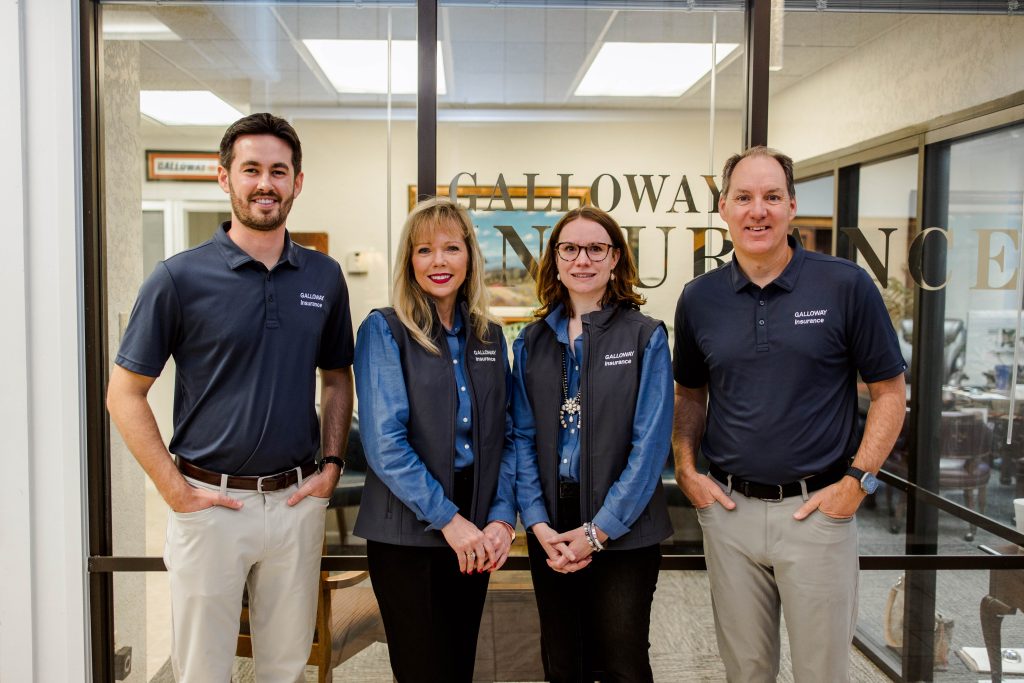
Our Promise: Integrity, Trust, and Commitment
At Galloway Insurance, we believe in more than just selling policies —we’re here to build lasting partnerships with Texas business owners.
- Integrity—We offer honest advice and full transparency on your insurance needs.
- Trust—Our clients rely on us to protect their livelihoods with dependable, customized coverage.
- Commitment—We are committed to providing service excellence long after your policy is issued.
- Community—As a local agency, we actively invest in supporting businesses and families in the Highland Lakes area.
Frequently Asked Questions – FAQs
What is the main advantage of a Business Owners Policy?
A BOP bundles property and liability insurance into one convenient and cost-effective policy, simplifying your coverage and often reducing costs.
Does my BOP cover employee injuries?
No, injuries to employees are typically covered under a separate workers’ compensation insurance policy, which we can help you secure.
Can I customize a BOP to fit my industry?
Absolutely! BOP policies can be tailored with endorsements and optional coverages depending on your industry and business size.
Is business interruption insurance included in a BOP?
Yes, most Business Owners Policies (BOPs) include business interruption coverage to protect your income if your operations are temporarily shut down due to a covered loss.
What businesses qualify for a BOP?
Typically, small to mid-sized businesses with fewer than 100 employees and annual revenues under $5 million are good candidates for a Business Owner’s Policy (BOP).